Airport History
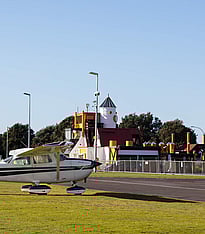
Since 1963, Whakatāne Airport has connected the eastern Bay of Plenty with Auckland and the rest of New Zealand, supporting easy, reliable travel for visitors and locals alike.
The Whakatāne Airport's land has a rich history tied to Ngāti Awa as mana whenua and local hapū Ngāi Taiwhakaea. Crown acquisition of this land in 1866 due to alleged Ngāti Awa involvement against the Crown in the early 1860s led to grievances and a Deed of Settlement in 2002.
This settlement stipulates that if the land is no longer reserved for airport use, it must be returned to Ngāti Awa. In 1944, the then Whakatāne County and Borough Councils initiated the airport's planning. In 1960, the airport officially opened on land vested in trust to the Councils by the Crown, designating the land for airport and ancillary aviation purposes as needed. Later, a sealed runway for the larger DC3 aircraft was completed in 1962.
Roger Walker
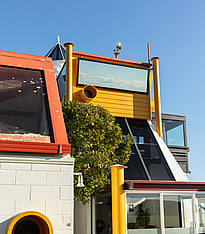
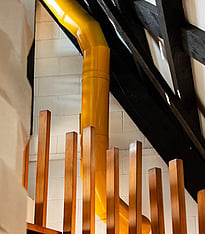
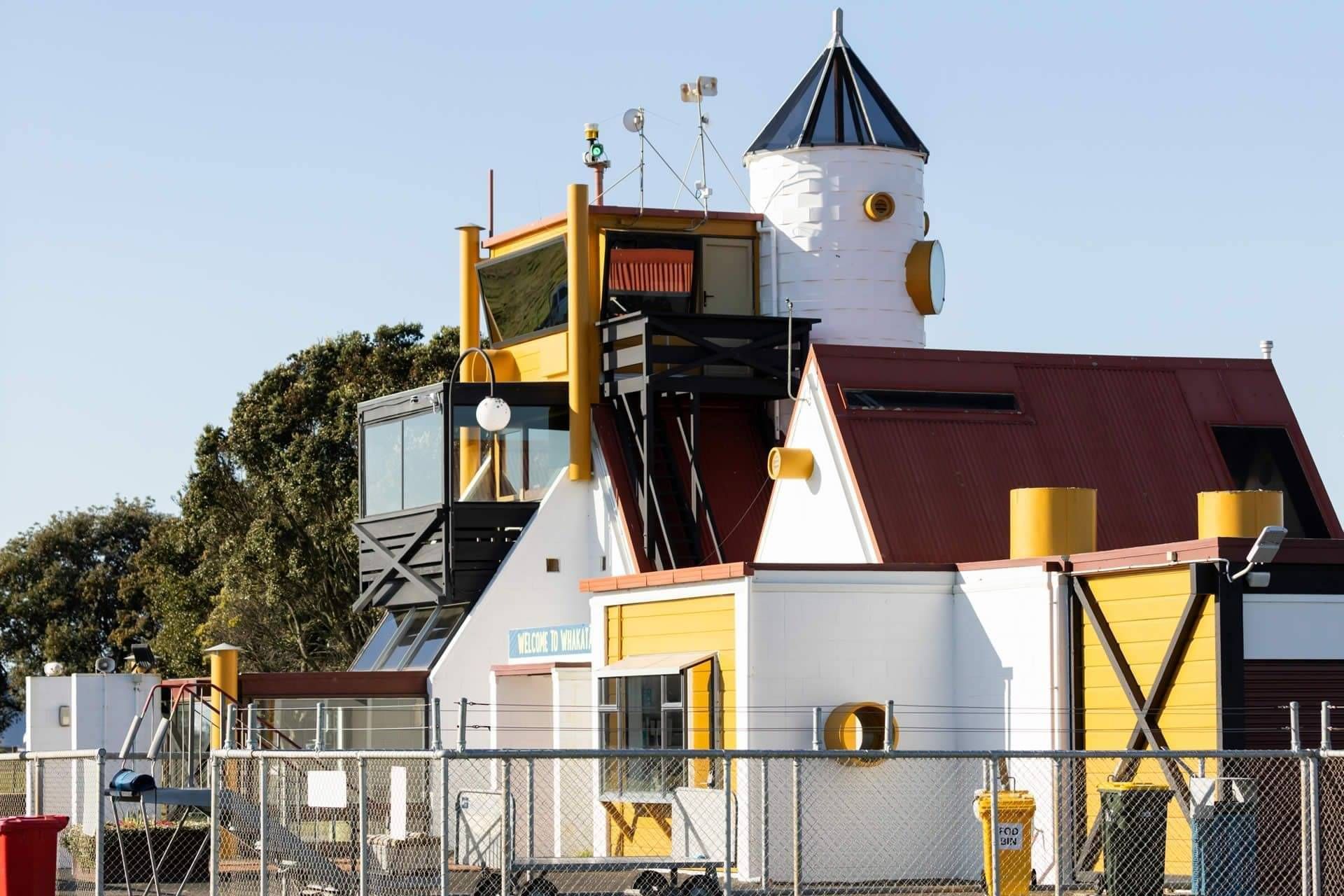
The Whakatāne Airport terminal building was designed by prominent New Zealand architect Roger Walker and completed in 1974. One of Walker’s early commercial projects, the building reflects a shift away from the rigid forms of earlier Modernist architecture. Today, the terminal is recognised for its architectural significance, having received the Enduring Architecture Award. It is also scheduled as a built heritage feature in the Operative District Plan and listed as a Category 1 historic place on the Heritage New Zealand Pouhere Taonga New Zealand Heritage List/Rārangi Kōrero.
Built in the Bay of Plenty during a period of growing regional tourism, the award-winning terminal is influenced by the ultramodern Japanese Metabolist movement. Its visually playful and adventurous form reflects architectural thinking from the 1960s onwards that responded more closely to social and physical contexts. Commissioned by the Whakatāne County and Borough Councils, the building’s distinctive design helped position Whakatāne as an appealing 'sunshine town' destination while contributing to a strong and recognisable regional identity.